

The Bio Twin Wall System prioritises biogenic materials like UK-grown hemp to significantly reduce embodied carbon — helping you meet sustainability goals without sacrificing compliance, thermal efficiency or long-term durability.
Hemp and timber store more carbon than they emit - helping projects go net zero.
Insulation made from UK-grown hemp reduces transport miles and supports green supply chains.
Precision manufacturing and panelised delivery reduce site waste and improve resource efficiency.
Designed for disassembly, reuse and recyclability - aligned with circular construction principles.

It uses natural, fast-growing materials like hemp and timber, both of which absorb carbon during growth. It’s also designed for minimal waste, efficient transport, and long-term reuse potential.
The hemp insulation is grown and processed in the UK, supplied by GRWN Group – reducing embodied carbon from transport while supporting local, regenerative agriculture.
Exact values depend on wall configuration, but the system is designed to be carbon negative; storing more carbon in its materials than it emits during manufacture and delivery.
Yes. Bio Twin Wall is panelised for easier disassembly. Materials can be reused, repurposed or recycled in line with circular construction practices.
Yes, the system’s low embodied carbon profile makes it a practical choice for meeting anticipated Part Z regulations, which will require reporting and reduction of upfront carbon.
Traditional cavity walls are high in embodied carbon and typically rely on non-renewable materials. Bio Twin Wall offers a lower carbon alternative with equal or better thermal performance.
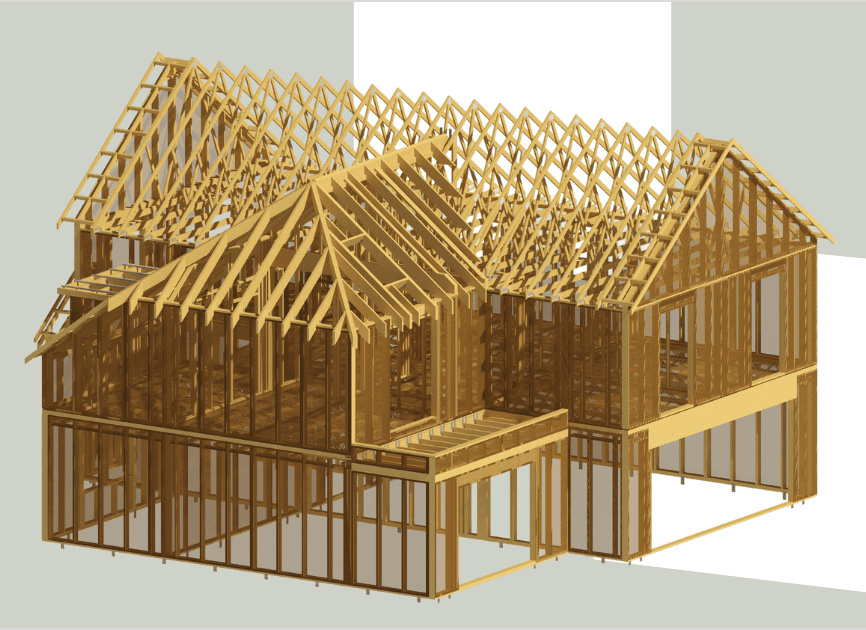
Whether you’re working toward net zero targets, meeting client ESG commitments or preparing for future regulations, the Bio Twin Wall System helps embed sustainability into the structure of every building.